
San Miguel County Probate Court
Probate in San Miguel County is handled by the Probate Division of District Court through San Miguel Combined Courts. Colorado's District Courts hear probate matters, and the local Combined Courts are part of the 7th Judicial District. The court is housed in the San Miguel County Courthouse in Telluride. The county does not have a separate probate court office, so estate filings, probate document requests, and probate hearing questions go through the same court access system used for District Court records.
Probate records can include estate administration, wills, trust-related filings, letters testamentary or letters of administration, applications, petitions, creditor claims, closing documents, guardianship matters, and conservatorship matters. The Colorado Judicial record request form has a distinct Probate category, which is useful because it lets a requester identify letters, wills, trusts, applications, petitions, closings, claims, and date of death as probate-specific request details.
The local access pattern is practical rather than complex. Use a docket search when the immediate need is a hearing date or case reference. Use a document request when the need is a will, letters, petition, closing, or certified copy. Contact the Combined Court Clerk when the case is older, hard to identify, offsite, or likely to include protected information.
Probate is different from marriage licensing and recording. Marriage licenses and recorded instruments are handled by the County Clerk and Recorder, while probate case files are court records. When a death, estate, or guardianship issue also involves recorded deeds, a user may need both offices, but the probate case file itself remains with the Combined Courts.
San Miguel County Probate Terms
Probate records use terms that are plain once tied to the role in the case. These definitions help separate estate records from guardianship and conservatorship filings, which can have different privacy concerns and access limits.
- Testator
- A person who made a will.
- Executor
- A person named to carry out the will, often called a personal representative in modern probate use.
- Intestate
- A person died without a will, so estate distribution follows legal rules rather than a will.
- Guardianship
- A court case about personal care and decision-making for a minor or protected person.
- Conservatorship
- A court case about managing money or property for a protected person.
Search San Miguel County Probate
San Miguel County probate access has three main channels. The Colorado Judicial docket search can help locate hearing information if a probate case has a date and a searchable party, case number, or other required filter. The Colorado Judicial record/document request form is the document request path for probate letters, wills, petitions, claims, and certified copies. In-person, phone, and email contact with San Miguel Combined Courts are the local fallback when the online forms do not resolve the request.
- Use the Colorado Judicial docket search for hearing dates, selecting San Miguel County and adding at least one non-date filter.
- Use the Colorado Judicial record/document request form for probate documents, selecting Probate and the needed document type.
- Include the decedent, estate, petitioner, protected person, date of death, case number, or related party details when known.
- Request certification or exemplification if the probate document must be used for banking, property, or legal proof.
- Contact San Miguel Combined Courts if the record is older, offsite, confidential, or unclear from the online docket.
Public docket results are hearing-focused. They are not a full probate document repository. A docket can help identify a case or hearing, but wills, letters, claims, accountings, and closing documents must be requested from the court when public access permits release.
San Miguel County Probate Contacts
The probate court contact for San Miguel County is San Miguel Combined Courts. The court location page lists the court phone, fax, email, and courthouse hours. It also notes that the Clerk's office is open to the public Monday through Thursday and that people needing assistance or appearing on a Friday should contact the court during normal business hours because the courthouse is closed to the public on Fridays.
San Miguel Combined Courts
305 W. Colorado Ave., P.O. Box 919
Telluride, CO 81435
970-369-3310
Fax: 970-728-6216
Email: SanMiguelClerk@judicial.state.co.us
Public clerk access Monday-Thursday, 8:30 a.m.-5:00 p.m.
The courthouse layout places the Combined Court Clerk's Office and courtrooms on the second floor. The first floor houses the Clerk and Recorder, District Attorney, and Treasurer. That layout matters when a probate visitor also needs recorded land documents or certified marriage copies from a different office in the same building.
San Miguel County Probate Fees
The research provides the Colorado Judicial court-record copy schedule rather than a local probate filing-fee chart for each case type. Probate copy costs follow the court record schedule. Certified probate documents cost more than plain copies, and offsite retrieval may add actual retrieval cost. Research or redaction may be billed after the first hour when staff time is needed to locate or prepare the record.
| Item | Amount or Rule |
|---|---|
| Copy per page | $0.25. |
| Certified or exemplified copy | $20 per document. |
| Name search | $5. |
| Research or redaction | $30 per hour, assessed in 15-minute increments after the first hour. |
| Offsite case file retrieval | Actual cost of retrieval. |
| Transcript of Judgment | $25, when relevant to a court record request. |
| Certificate of Satisfaction | $20, when relevant to a court record request. |
Note: A probate filing fee for a new case was not documented in the reviewed San Miguel County probate research.
San Miguel County Probate Records
The probate category in the Colorado Judicial record request form gives the most direct inventory of requestable probate documents. It lists letters, will, trust, application, petition, closing, claims, and date of death. In practical terms, letters can show who has authority to act for an estate, a petition or application can show what relief was requested, a will can show the decedent's stated plan, and claims can show creditor activity in the estate file. Closing documents can show how the court file ended or moved toward completion.
| Probate Field or Document | What It Helps Identify |
|---|---|
| County | Select San Miguel County if the case is local. |
| Party information | Decedent, estate, petitioner, protected person, or related party name. |
| Date of birth | Optional identifying detail for a primary party when known. |
| Other identifying information | Case number, date of death, related parties, or other details. |
| Letters | Proof of estate authority, such as letters testamentary or administration. |
| Will or trust | Estate planning document if it is part of the court file. |
| Application or petition | Initial or later request filed with the probate court. |
| Claims or closing | Creditor claim material or final estate filing. |
Restricted San Miguel County Probate
Probate records can be public in part and restricted in part. The Colorado Judicial record/document request form warns that suppressed cases, juvenile records, probate records, or certain documents containing confidential or protected information may require U.S. government-issued photo identification. Guardianship, conservatorship, minor-related, protected-person, and mental-health-adjacent material may involve stronger access review than a routine estate docket. A docket entry also should not be treated as proof that every filed document is open.
When certification is needed for a bank, property transfer, agency, or legal filing, request a certified or exemplified copy from the Combined Courts. For recorded real property documents that are not probate pleadings, use the County Clerk and Recorder's recorded document process instead. For a related family status record, use the San Miguel County marriage and divorce records channels rather than the probate record request process.
Photo identification may be required for suppressed cases, probate records, juvenile records, or documents with confidential and protected information. That warning comes from the Colorado Judicial record request process, so a requester should be ready to verify identity when asking for sensitive estate, guardianship, or conservatorship records.
Federal custody questions use separate tools, including the Federal Bureau of Prisons inmate locator and the BOP by-name inmate search.
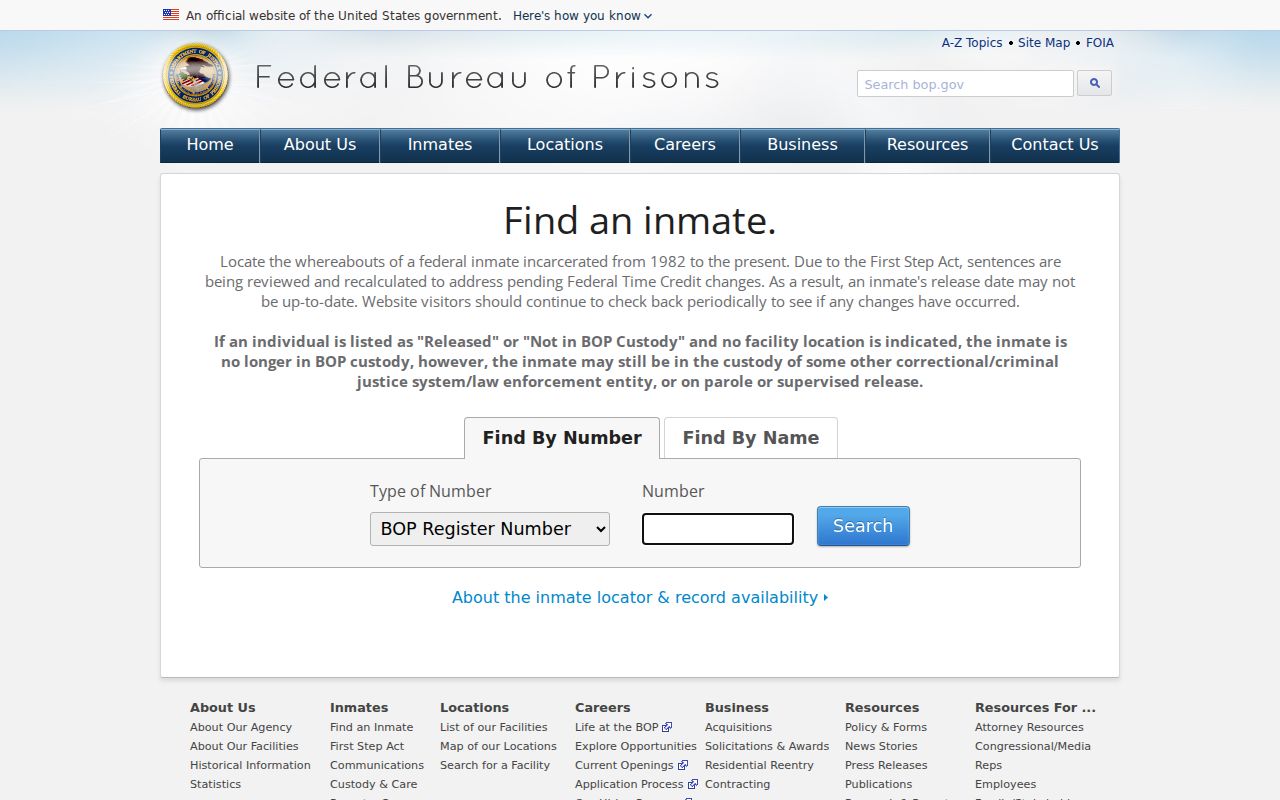
Federal custody searches are separate from San Miguel County probate records, but they can help distinguish a probate court search from unrelated federal inmate records.
The BOP by-name search is another federal custody route, separate from probate filings in San Miguel County District Court.
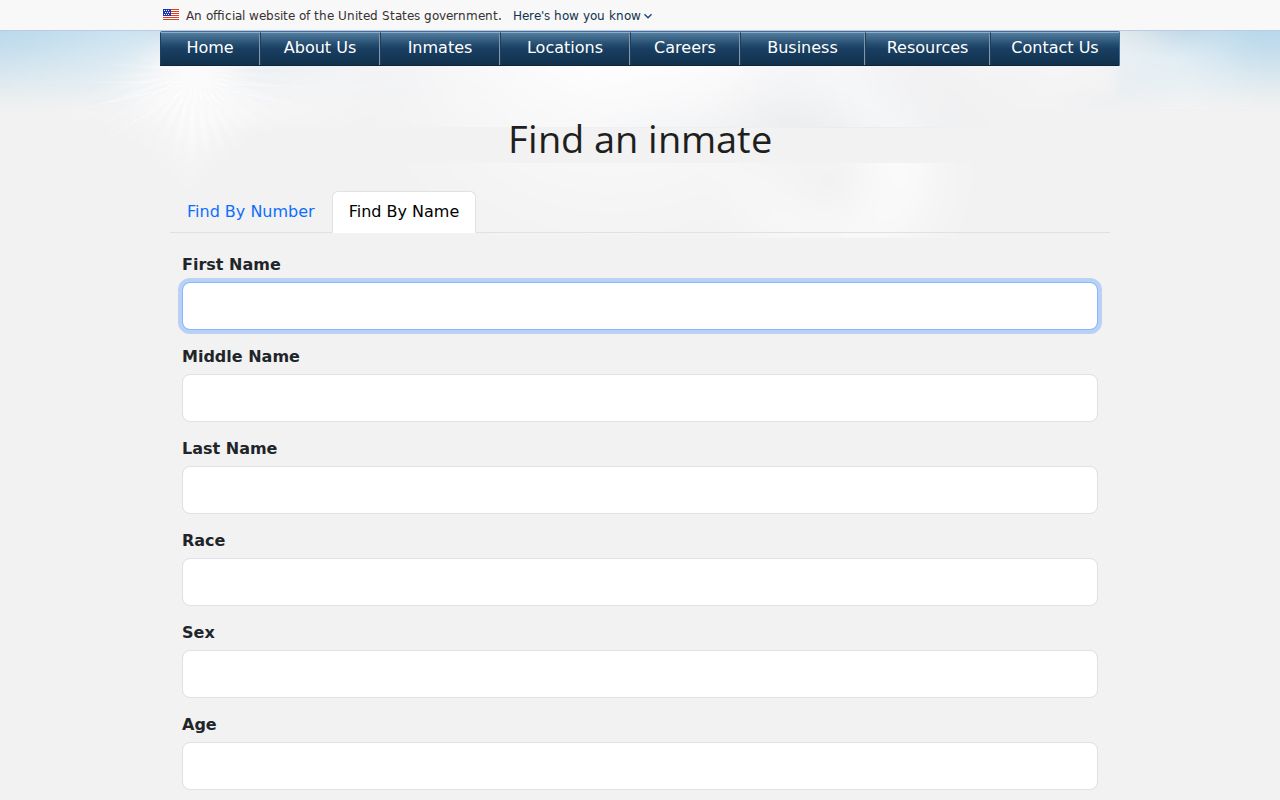
Use probate court records for estate authority and wills; use federal inmate tools only for federal custody questions.
San Miguel County criminal justice records can also involve sheriff-held registry information, such as the county sex offender information page.
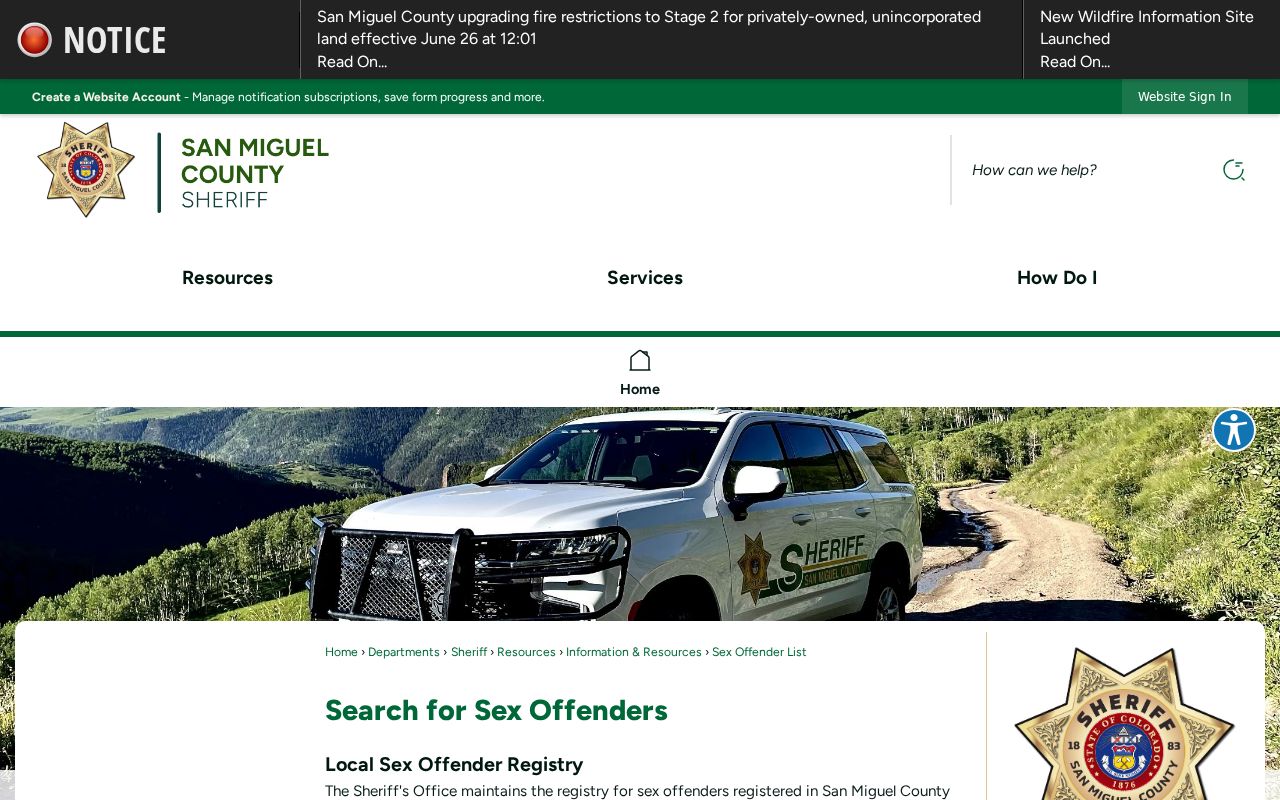
That sheriff registry source is not a probate source; probate requests should remain with San Miguel Combined Courts unless a separate criminal justice record is actually needed.